Good afternoon, dear colleagues!
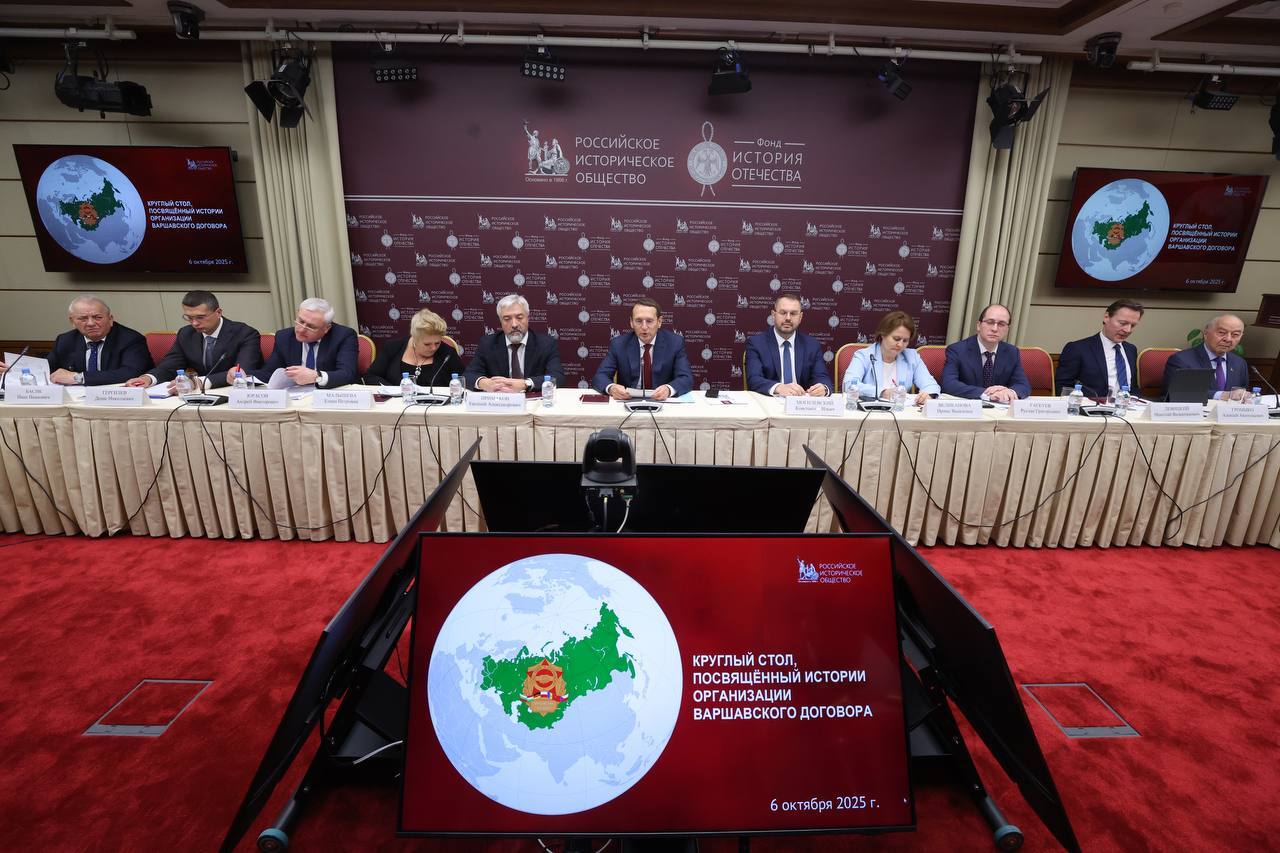
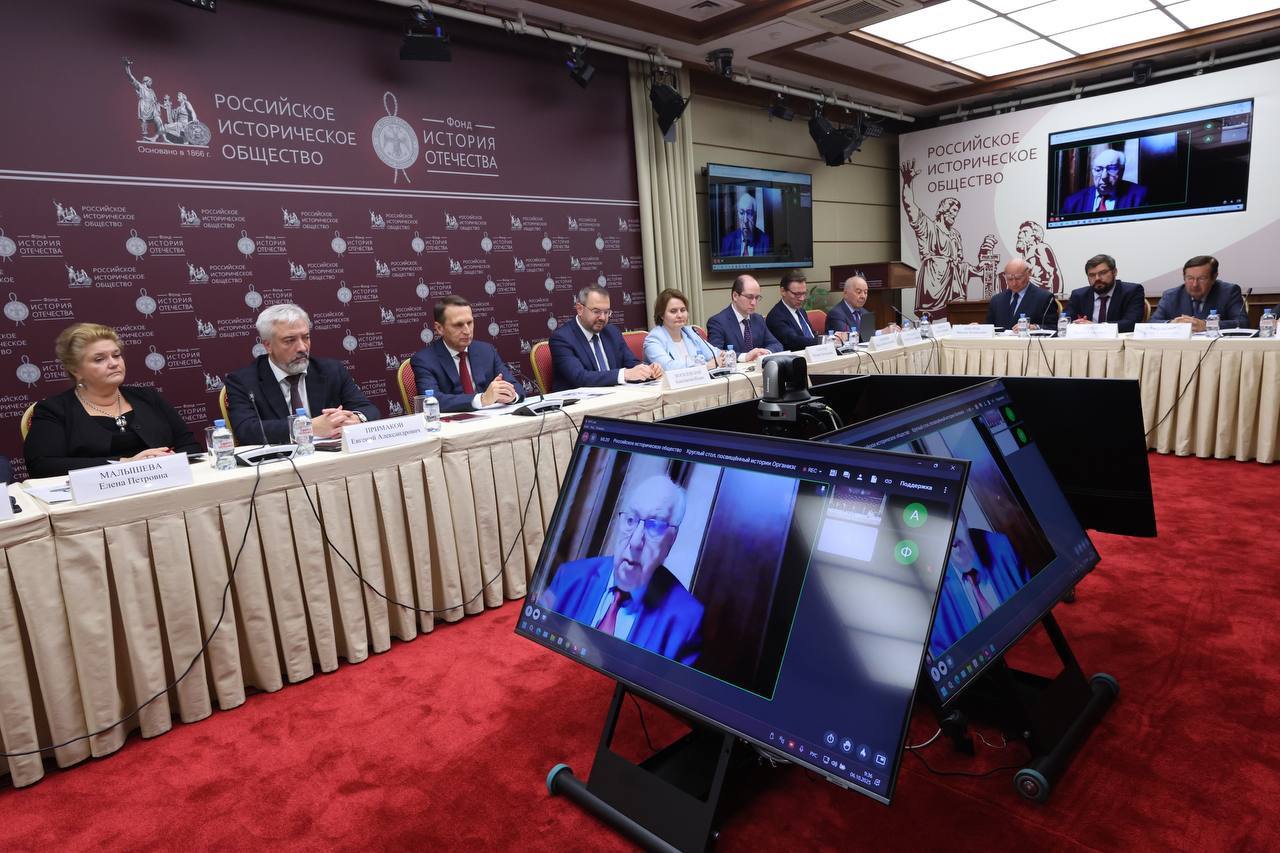
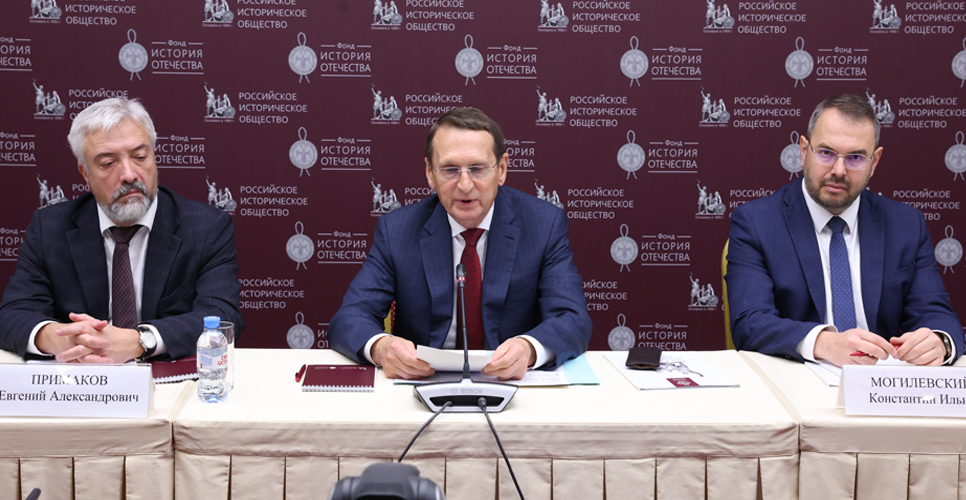
Today we are holding a roundtable dedicated to the 70th anniversary of the creation of the Warsaw Pact. On May 14, 1955, the Soviet Union and seven European countries of people's democracy signed the Treaty of Friendship, Cooperation, and Mutual Assistance, marking the beginning of the nearly 40-year history of the Warsaw Pact.
The emergence of this military-political alliance was a result of the growing threat of a major war in Europe. In 1946, while the Nuremberg Trials of the Nazi High Command were still ongoing, Churchill's infamous Fulton speech resonated around the world. In this ideological manifesto, our country was explicitly identified as the primary adversary of the collective West. Information about the development of aggressive military plans was shared with Moscow, including through the Soviet Foreign Intelligence Service.
At the same time, the Soviet leadership did not give up its attempts to resolve the tensions with its former allies in the Anti-Hitler Coalition exclusively through diplomatic means. It is widely known that in March 1954, several years after the creation of the North Atlantic Alliance, the Soviet Union proposed that our country join this military-political bloc. In a message to Western leaders, it was emphasized that European security was indivisible, and the creation of antagonistic blocs had already led to two world wars in history. Of course, the application was rejected, which once again confirmed the aggressive nature of the NATO bloc.
In May of the same year, representatives of the United States, Canada, and several other Western European countries signed the Paris Agreements, which provided for the inclusion of West Germany in the North Atlantic Treaty Organization. By that time, Moscow had long been concerned about the rearmament of West Germany. The inclusion of West Germany in NATO posed a direct threat to the security of Eastern European countries and served as the immediate catalyst for the creation of the Warsaw Pact.
It is important to note that the Warsaw Pact was fully in line with the requirements of the United Nations Charter in terms of its goals and principles. Our military-political alliance was purely defensive in nature.
Thanks to the creation of the Warsaw Pact, strategic parity was established on the European continent, which was a key element in maintaining the stability of the entire Yalta-Potsdam system of international relations. Despite the repeated spikes of international tension in the second half of the 20th century, a new major war in Europe was avoided.
In this sense, the Warsaw Pact Organization left the historical stage undefeated. Its dissolution in 1991, driven by objective domestic political processes in the member countries, symbolized profound geopolitical changes. Since the late 1980s, the Soviet Union's leadership had been pursuing disarmament. As part of the humanistic but, as time has shown, naive policy of the so-called new thinking, unilateral decisions were made to reduce our armed forces by 500,000 people, to partially withdraw troops from Central Europe, and a number of other similar decisions.
It is no secret that the Soviet leadership of the time, when determining its military and political course, relied heavily on the assurances of Western elites, who repeatedly emphasized that reducing the Soviet Union's military presence in Europe would not lead to NATO's expansion to the east. For example, when discussing the future of a unified Germany, which was expected to become a member of the North Atlantic Alliance, U.S. Secretary of State James Baker assured Mikhail Gorbachev that there were no plans for NATO to expand "even an inch" beyond that. Unfortunately, these high-ranking Western officials blatantly deceived the Soviet leadership. Although, in general, lies and deception are such persistent features of most Western politicians. They demonstrated another vivid example in the implementation, or rather, non-implementation, of the Minsk agreements, when the leaders of France and Germany acted as guarantors of these agreements, but they knew in advance that they would not be implemented. That was not why they signed them.
Today, when Russia and other countries of the global majority are striving to build a new multipolar architecture of international relations, it is clear that the idea of military-political blocs is largely outdated. However, the historical experience of the Yalta-Potsdam world order, which includes the history of the Warsaw Pact, certainly deserves careful examination. Thank you for your attention!
Moscow, October,6th
Today we are holding a roundtable dedicated to the 70th anniversary of the creation of the Warsaw Pact. On May 14, 1955, the Soviet Union and seven European countries of people's democracy signed the Treaty of Friendship, Cooperation, and Mutual Assistance, marking the beginning of the nearly 40-year history of the Warsaw Pact.
The emergence of this military-political alliance was a result of the growing threat of a major war in Europe. In 1946, while the Nuremberg Trials of the Nazi High Command were still ongoing, Churchill's infamous Fulton speech resonated around the world. In this ideological manifesto, our country was explicitly identified as the primary adversary of the collective West. Information about the development of aggressive military plans was shared with Moscow, including through the Soviet Foreign Intelligence Service.
At the same time, the Soviet leadership did not give up its attempts to resolve the tensions with its former allies in the Anti-Hitler Coalition exclusively through diplomatic means. It is widely known that in March 1954, several years after the creation of the North Atlantic Alliance, the Soviet Union proposed that our country join this military-political bloc. In a message to Western leaders, it was emphasized that European security was indivisible, and the creation of antagonistic blocs had already led to two world wars in history. Of course, the application was rejected, which once again confirmed the aggressive nature of the NATO bloc.
In May of the same year, representatives of the United States, Canada, and several other Western European countries signed the Paris Agreements, which provided for the inclusion of West Germany in the North Atlantic Treaty Organization. By that time, Moscow had long been concerned about the rearmament of West Germany. The inclusion of West Germany in NATO posed a direct threat to the security of Eastern European countries and served as the immediate catalyst for the creation of the Warsaw Pact.
It is important to note that the Warsaw Pact was fully in line with the requirements of the United Nations Charter in terms of its goals and principles. Our military-political alliance was purely defensive in nature.
Thanks to the creation of the Warsaw Pact, strategic parity was established on the European continent, which was a key element in maintaining the stability of the entire Yalta-Potsdam system of international relations. Despite the repeated spikes of international tension in the second half of the 20th century, a new major war in Europe was avoided.
In this sense, the Warsaw Pact Organization left the historical stage undefeated. Its dissolution in 1991, driven by objective domestic political processes in the member countries, symbolized profound geopolitical changes. Since the late 1980s, the Soviet Union's leadership had been pursuing disarmament. As part of the humanistic but, as time has shown, naive policy of the so-called new thinking, unilateral decisions were made to reduce our armed forces by 500,000 people, to partially withdraw troops from Central Europe, and a number of other similar decisions.
It is no secret that the Soviet leadership of the time, when determining its military and political course, relied heavily on the assurances of Western elites, who repeatedly emphasized that reducing the Soviet Union's military presence in Europe would not lead to NATO's expansion to the east. For example, when discussing the future of a unified Germany, which was expected to become a member of the North Atlantic Alliance, U.S. Secretary of State James Baker assured Mikhail Gorbachev that there were no plans for NATO to expand "even an inch" beyond that. Unfortunately, these high-ranking Western officials blatantly deceived the Soviet leadership. Although, in general, lies and deception are such persistent features of most Western politicians. They demonstrated another vivid example in the implementation, or rather, non-implementation, of the Minsk agreements, when the leaders of France and Germany acted as guarantors of these agreements, but they knew in advance that they would not be implemented. That was not why they signed them.
Today, when Russia and other countries of the global majority are striving to build a new multipolar architecture of international relations, it is clear that the idea of military-political blocs is largely outdated. However, the historical experience of the Yalta-Potsdam world order, which includes the history of the Warsaw Pact, certainly deserves careful examination. Thank you for your attention!
Moscow, October,6th